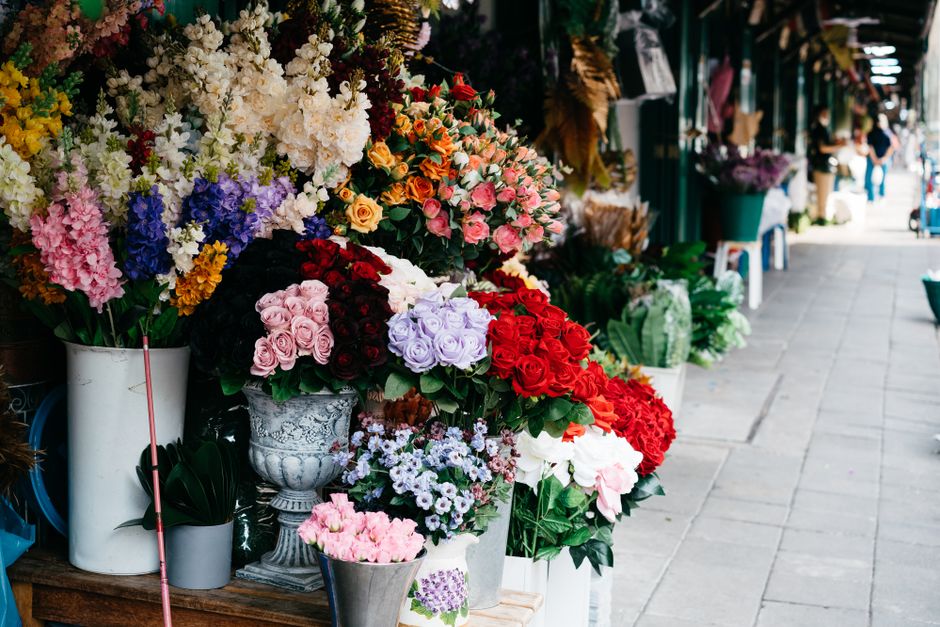
What to know about Barnet Council rules for flower displays
Posted on 27/10/2026
If you are planning a flower display in Barnet, whether it is for a shopfront, a home entrance, a business reception, a wedding, or a memorial arrangement, there is usually more to think about than the flowers themselves. The real question is often how the display sits within local rules, practical safety needs, and the everyday reality of living and trading in a busy London borough. That is exactly where what to know about Barnet Council rules for flower displays becomes useful.
Truth be told, most people do not start with regulations. They start with a vase, a colour palette, or a last-minute idea that feels right. Then the practical bits arrive: can the display go outside, will it block a pavement, do you need permission, and what happens if the weather turns? This guide walks you through the subject in plain English, so you can make sensible decisions without getting lost in council jargon or guesswork.
We will cover how local expectations usually work, what to watch for in different settings, where problems tend to appear, and how to plan a display that looks good and keeps life simple. If you are choosing flowers for a special occasion, you may also find our pages on flower delivery in Barnet and flower care helpful for the practical side of keeping arrangements fresh and presentable.
Table of Contents
- Why Barnet Council rules for flower displays matter
- How the rules usually work in practice
- Key benefits and practical advantages
- Who this is for and when it makes sense
- Step-by-step guidance
- Expert tips for better results
- Common mistakes to avoid
- Tools, resources and recommendations
- Law, compliance, standards and best practice
- Options, methods and comparison table
- Case study or real-world example
- Practical checklist
- Conclusion
- Frequently asked questions
Why Barnet Council rules for flower displays matter
Flower displays can seem harmless enough. A few stems in a window, a planter by a doorway, a sympathy tribute outside a venue, a wedding arrangement at a hall entrance. Nothing dramatic. But councils still care because displays affect public spaces, safety, accessibility, cleanliness, and the wider look and feel of streets and premises.
In a borough like Barnet, where commercial areas, residential streets, event spaces, and transport routes often overlap, a display that looks lovely in isolation can create issues if it spills onto the pavement or becomes a trip hazard. A wet floral stand in the wrong place can be slippery. A large arrangement leaning into a walkway can frustrate pedestrians or people using pushchairs and wheelchairs. Small thing, big headache.
That does not mean you should be nervous about every bouquet. It means it helps to think like the council thinks: can people move safely, is the display tidy, and does it respect the space around it? Once you understand that, the rules start to make sense. They are not there to spoil the moment. They are there to keep public and private spaces workable for everyone.
Expert summary: The safest approach is simple: keep displays neat, stable, and appropriately placed; avoid blocking access; and check whether your location needs permission before using anything outside the building boundary.
If you are arranging flowers for a business or event, this also affects presentation. A well-planned display can make a front desk feel warm, soften a storefront, or give a tribute table a more respectful tone. The trick is balancing beauty with common sense. Not always glamorous, but very effective.
How Barnet Council rules for flower displays work in practice
The exact requirements depend on where the flowers are going and how they are being used. That is the part people sometimes miss. A display inside a private building is usually treated very differently from a display that extends onto a footway or public land. A wedding centrepiece is different again from a memorial wreath placed outside a venue entrance.
In practical terms, you should think in three layers:
- Location: Is the display inside, on private property, or outside where the public can access it?
- Impact: Could it block movement, create clutter, or cause a safety problem?
- Permission: Does the placement need approval from the property owner, venue, or council?
That last point matters a lot. Many flower display issues are not really about the flowers at all. They are about land ownership, responsibility, and liability. If you are a business, venue, or organiser, you generally want to know who is responsible if a display falls, leaks, or obstructs access. Nobody wants to be making that phone call on a wet Tuesday morning, especially after the event has already started.
There is also a difference between a one-off display and something recurring. A single wedding arch is easier to manage than a permanent planter arrangement outside a shop or restaurant. The more permanent the arrangement, the more you should think about maintenance, cleaning, stability, and any permission or local expectation around its location.
For flower buyers, this means choosing arrangements that suit the setting. For example, compact bouquets or vase arrangements are often easier to manage indoors, while larger tributes, garlands, or table flowers need a bit more planning if they are going to be shown in public-facing areas. If you need event-specific options, pages like wedding flowers in Barnet and funeral flowers in Barnet can help you think through the style and setting.
Key benefits and practical advantages
Understanding the rules is not just about avoiding trouble. Done properly, it makes your display better. Cleaner. Safer. Easier to manage. And, honestly, more elegant.
- Fewer last-minute problems: When you know what is likely to be acceptable, you can plan the right size and format of display from the start.
- Better public safety: Stable, well-placed flowers reduce the risk of trips, slips, spills, and obstruction.
- More professional presentation: A display that fits its surroundings always looks more polished.
- Smoother event planning: Weddings, memorials, launches, and shop displays all run more calmly when placement is sorted early.
- Less waste: If flowers are not over-ordered or overbuilt for the setting, you avoid waste and unnecessary cost.
There is another benefit people often overlook: confidence. When you understand the local boundaries, you can make decisions faster. Should the arrangement be low or tall? Should it stay in a vase? Does it need weights, ties, or a protected surface? Once you know the likely constraints, the creative side becomes easier, not harder.
This is especially helpful for businesses that regularly refresh displays. A florist, cafe owner, office manager, or venue coordinator can create a repeatable approach rather than starting from scratch each time. That saves time. It also keeps everyone on the same page, which is half the battle.
Who this is for and when it makes sense
This topic matters to more people than you might think. It is not just for florists. It is for anyone who places flowers where other people might see, touch, or walk past them.
- Homeowners: If you are planning planters or decorative arrangements near the front of your property, especially where boundaries are close to pavements.
- Shop owners and cafes: Street-facing displays can improve atmosphere, but they need to be safe and not intrusive.
- Event organisers: Weddings, community events, launches, and seasonal celebrations often involve flowers at entrances, tables, and reception areas.
- Funeral directors and families: Tributes, sprays, and wreaths often need thoughtful placement and handling.
- Office and facilities managers: Lobbies, reception desks, and shared areas benefit from structured display planning.
- Florists: You need to know how to recommend arrangements that work in real locations, not just on a workbench.
It also makes sense when you are not sure whether a display is temporary or semi-permanent. That grey area is where mistakes creep in. A display might start as a weekend feature and quietly turn into something that stays for months. Then the cleaning team has to work around it, or a neighbouring tenant complains, or the arrangement begins to look tired. Bit of a mess, really.
If your flowers are for a special occasion, you might also want to browse seasonal choices such as birthday flowers, wedding arrangements, or tributes so you can match the display to the event rather than forcing one style to fit everything.
Step-by-step guidance
If you want a sensible, low-stress way to handle flower display planning in Barnet, start here. This is the part that saves time later.
-
Define the purpose of the display.
Is it decorative, commemorative, ceremonial, promotional, or seasonal? The purpose will shape the size, style, and placement.
-
Check the location carefully.
Inside a private premises is one thing. At a doorway, boundary, shared entrance, or pavement edge is another. Measure the space if needed. A few centimetres can matter more than you think.
-
Ask who controls the space.
If the display is outside your own property line, or in a venue you do not manage, get clarity before setting anything down.
-
Choose the right type of arrangement.
Low vases, compact table flowers, basket arrangements, or stable tributes are usually easier to manage than tall, top-heavy pieces in narrow areas.
-
Consider weather and cleaning.
Rain, wind, heat, and footfall all change how a display behaves. A morning arrangement can be perfect at 9am and slightly sorry by 4pm if it is in the wrong spot.
-
Use a safe base or container.
Make sure the arrangement will not slide, tip, drip, or damage the surface beneath it.
-
Review the display after it is set up.
Step back. Look at it from the perspective of a passer-by, not just from above. Can people pass easily? Does it feel inviting, or cluttered?
That last step is the one people skip. You really do notice issues only when you move around the display, not when you are standing over it deciding whether the roses are the right shade.
If you are ordering for a timely delivery, planning ahead matters too. For short-notice arrangements, the pages for same day flower delivery and next day flower delivery are useful starting points, especially if the display is tied to an event with a fixed timetable.
Expert tips for better results
Here is where a little experience goes a long way. These are the practical habits that make flower displays easier to live with, not just nicer to photograph.
Keep proportions honest. A display that is too large for the space tends to look less luxurious, not more. It can crowd the area and draw attention for the wrong reason. For narrow entrances, smaller but well-constructed arrangements often work better than one oversized feature piece.
Use stable shapes. Basket arrangements, low bowls, and compact vases are often easier to manage than tall stems in busy places. If the venue is draughty, this becomes even more important. Nobody wants a half-collapsed bouquet after five minutes near an open door.
Think about sightlines. Can staff see out? Can visitors see in? Can people walking past spot the display without having to step around it? Good placement helps the display do its job without interfering with daily movement.
Match the flowers to the setting. Soft, calm flowers often suit memorial or condolence displays. Brighter mixes can work beautifully for birthdays, celebrations, and retail presentation. For more inspiration, the collections at all flowers, best sellers, and florist choice can help you compare styles without overcomplicating things.
Build in a maintenance habit. Fresh water, clean surfaces, and a quick daily check can make the difference between a display that feels generous and one that looks forgotten. It is a small thing, but it shows.
Use the right level of formality. A corporate reception, a wedding entrance, and a family tribute all need different tones. Trying to make one arrangement do all jobs usually means it does none of them well. Harsh, maybe, but true.
Document repeat setups. If you arrange flowers regularly at the same premises, keep a simple note of what worked: size, placement, flower type, and any issues. Next time, you will move faster. No drama. No guesswork.
Common mistakes to avoid
Most flower display problems are not caused by bad flowers. They are caused by poor placement or poor planning. The good news is that these mistakes are usually easy to avoid once you know what to look for.
- Blocking access: A beautiful display is still a problem if it reduces footway space, obstructs a doorway, or interferes with mobility access.
- Ignoring ownership or permission: Do not assume you can place flowers wherever there is a bit of spare space.
- Choosing unstable containers: Light containers and uneven surfaces can become risky, especially in windy or high-traffic areas.
- Overcrowding the display: Too many stems, props, cards, or decorative extras can make the area feel cluttered.
- Forgetting upkeep: Wilting blooms, spilled water, and drooping foliage make a display feel neglected very quickly.
- Using a one-size-fits-all approach: A wedding display should not be treated like a retail window arrangement, and vice versa.
There is also a softer mistake: not thinking about the people using the space. A display can be technically tidy and still feel awkward if it interrupts the flow of a room or entrance. That is why standing back and looking at it from a visitor's point of view matters so much.
And yes, sometimes the flowers are innocent while the location is the real issue. Happens all the time.
Tools, resources and recommendations
You do not need a complicated toolkit to get flower displays right. A few practical basics go a long way.
- Measuring tape: Useful for checking available space, especially near doorways, counters, or pathways.
- Stable containers: Choose vases, baskets, bowls, or stands that suit the size and weight of the arrangement.
- Waterproof protection: Coasters, liners, or trays help protect surfaces from moisture.
- Clean cloths and wipes: Handy for tidying petals, spills, and condensation.
- Soft ties or floral foam alternatives: Useful when you need structure, though the right method depends on the design and setting.
- Delivery timing: If the display is event-led, choose a delivery window that gives you time for setup and adjustments.
For ongoing planning, the broader site can help you compare practical options. If you need something for a business or recurring use, corporate accounts may be useful. If you want to understand service expectations and ordering confidence, take a look at guarantees, delivery, and returns and refund.
One more practical point: if sustainability matters to you, it should not be an afterthought. The sustainability page is a sensible place to understand how environmental choices may fit into your display planning, especially for businesses that want to make a more thoughtful impression.
Law, compliance, standards and best practice
This is the section where a careful tone really matters. Flower display rules are not always written as one neat list, and local requirements can vary depending on the site, the building, and the type of display. So rather than pretending there is a single universal rule, it is safer to think in terms of compliance principles.
First: do not place anything where it creates a hazard or obstructs public access. That includes entrances, stairways, exits, kerbs, and shared routes. If a display interferes with movement, it may need to be moved or removed.
Second: check whether the display is on private land, leased space, or public-facing land. Responsibility often follows the space, not the flowers. The person or business controlling the area may need to keep it tidy and safe.
Third: use good practice even when the rule is not explicit. Stable placement, clean containers, visible edges, and appropriate sizing are all sensible standards. They lower the chance of complaints and reduce the chance of damage.
Fourth: be particularly cautious with permanent or semi-permanent installations. What starts as a seasonal decoration can become an ongoing feature, and ongoing features often deserve a higher level of care and review.
For buyers and organisers, this means you should ask practical questions before choosing a display: How will it be secured? Who will refresh it? Can people still get through comfortably? What happens if it rains? Simple questions, but they save a lot of awkwardness later.
If your display is for a formal ceremony, it may also be worth choosing product ranges that are designed for that purpose, such as wreaths, letter tributes, or wedding table arrangements. These options are often easier to manage in a structured environment than improvised displays, and they tend to feel more intentional too.
Options, methods and comparison table
Different flower display methods work better in different settings. The table below gives a simple way to compare common options.
| Display type | Best for | Strengths | Watch-outs |
|---|---|---|---|
| Single vase arrangement | Desks, counters, tables, reception areas | Neat, flexible, easy to refresh | Can tip if the vase is too light or the stems are too tall |
| Basket or posy display | Small ceremonies, sympathy settings, compact spaces | Stable, compact, visually warm | May need lining and careful watering |
| Large tribute or wreath | Memorials, funerals, formal commemorations | Dignified, recognisable, suitable for formal spaces | Needs enough room and respectful placement |
| Retail or hospitality display | Shopfronts, cafes, hotel lobbies | Strong visual impact, improves atmosphere | Must not obstruct access or crowd the space |
| Wedding floral feature | Venues, aisles, tables, entrance points | Highly decorative, event-specific, memorable | Often needs careful setup timing and placement planning |
To be fair, there is no one perfect method. The right choice depends on where the flowers will live and how long they need to last. A compact arrangement can be a much better fit than an elaborate one if the space is tight or heavily used.
Case study or real-world example
Imagine a small independent cafe in Barnet preparing for a Friday afternoon launch. The owner wants the entrance to feel welcoming, so they order a fresh floral arrangement for the front area. At first, they think a tall display by the door will look more impressive. It does look impressive, for about ten seconds.
Then reality shows up: customers are arriving with prams, a delivery driver needs space to pass, and the entrance is narrower than it looked in the evening light. The florist and cafe owner quickly rethink it. They move to a lower, wider arrangement placed just inside the doorway on a stable table, with a water-resistant tray underneath. The flowers still make the entrance feel special, but now the space works.
That small change matters. The display becomes part of the experience instead of an obstacle. Customers can come and go smoothly, the cafe feels polished, and the owner is not worrying about a toppled vase every five minutes.
There is a similar lesson for family events. At a remembrance gathering, a carefully placed tribute can have more impact than a large arrangement that has to be constantly shifted. People notice thoughtful placement. They really do.
Practical checklist
Use this checklist before finalising a flower display in Barnet:
- Have you confirmed where the display will sit?
- Do you know who controls or owns the space?
- Will the display block walkways, doors, counters, or access points?
- Is the arrangement stable and suitable for the surface?
- Have you thought about water, spills, and cleaning?
- Does the size suit the location?
- Will the flowers still look good after a few hours, or overnight if needed?
- Have you chosen a style that matches the occasion?
- Is someone responsible for checking or refreshing the display?
- Have you considered whether any permission or approval is needed?
If you can tick most of those off without hesitation, you are in good shape. If several answers are unclear, slow down a little. That is usually the right move.
Conclusion
What to know about Barnet Council rules for flower displays comes down to a simple idea: beautiful flowers work best when they fit the space around them. Once you understand the practical side, the rules stop feeling like a barrier and start feeling like useful guardrails.
Whether you are planning a home display, a shopfront feature, a wedding entrance, or a tribute arrangement, the same basics apply. Keep it safe. Keep it tidy. Keep it proportionate. And check the location before you commit to anything too large or too permanent.
That approach saves time, reduces stress, and usually makes the flowers look better too. Which, let's face it, is the whole point.
Get a free quote today and see how much you can save.
For more practical flower planning, you may also want to explore about us, contact us, and best flower delivery in Barnet when you are ready to turn an idea into something properly finished.
Frequently Asked Questions
Do I need permission to place flower displays outside my shop in Barnet?
It depends on whether the display sits entirely on your private property or extends into a shared or public area. If it reaches a pavement, entrance route, or land you do not control, you should check first rather than assume it is fine.
Can I put flowers on the pavement outside my home?
In many cases, anything placed on or beyond the boundary of your property needs careful consideration. The main issue is whether it blocks movement or creates a hazard. If the pavement is narrow, it is better to keep displays fully inside your boundary.
What type of flower display is easiest to manage for compliance?
Low, stable arrangements in weighted containers are usually easier to manage than tall or sprawling pieces. Basket arrangements, small vases, and compact table displays are often the safest starting point.
Are memorial flower tributes treated differently from decorative displays?
Yes, they often are in practice because memorial tributes are usually placed with a specific ceremonial purpose. Even so, they still need to be positioned safely and respectfully, especially if they are in shared or public-facing areas.
What should I do if a display keeps getting in the way?
Move it. Honestly, that is usually the answer. If a display repeatedly interrupts access or causes people to steer around it, it is too big, too close to the route, or simply in the wrong place.
Can a florist help me choose the right kind of display?
Absolutely. A good florist can suggest arrangements that suit the venue, the occasion, and the available space. They can also point you towards shapes and sizes that are easier to place safely.
What is the best flower choice for a small entrance area?
Compact flowers with a neat shape are often best for small entrances. The exact choice depends on the mood you want, but low arrangements usually work better than tall stems in tight spaces.
How do I keep a flower display fresh for longer?
Use clean water, trim stems where needed, and keep the arrangement away from direct heat or strong draughts. If it is in a public-facing setting, a quick daily check makes a big difference.
Are weddings and corporate events handled the same way?
Not really. Weddings tend to be more decorative and emotional, while corporate settings usually call for cleaner, more restrained presentation. The practical rules around safety and access are similar, though.
What if I want a display for a short-notice event?
Then timing matters. Short-notice orders work best when you keep the design simple and the placement straightforward. Same-day or next-day delivery options can help, but you still need to plan the setup location properly.
Do I need to worry about sustainability with flower displays?
If sustainability matters to you or your organisation, yes, it is worth thinking about. Reusable containers, sensible sizing, and careful ordering can all reduce waste without compromising presentation.
Where should I start if I am completely unsure?
Start with the location. Ask where the flowers will go, who controls the space, and whether the arrangement could affect access. Once those three things are clear, the rest becomes much easier to decide.